
It’s your place. How can we help?
Design with confidence
RPA works across residential and commercial sectors. On the residential side: house extensions, new build homes, refurbishments and thermal upgrades across Bristol. On the commercial side: restaurants, cafés and bars – including extensive work across the UK with the Loungers Group – as well as nurseries and early years settings and places of worship. Running through all is deep expertise in heritage, conservation areas and listed buildings.
Residential | Homes
-
Richard Pedlar Architects (RPA) is a Bristol-based architecture practice with extensive experience designing new homes across the city and beyond. For many clients, a new build is the opportunity to design without compromise outside of the constraints of an existing building. We navigate the planning process – including full Planning Permission – across all contexts, from tight urban plots in Clifton or Redland to more rural settings.
-
RPA designs new outbuildings for Bristol homes – from garages, home offices and garden rooms to self-contained annexes. A new outbuilding can unlock surprising potential. Whether you need a home office away from the main house, an annexe for extended family living, a garden room that brings the outside in or an indoor domestic swimming pool, we design structures that are purposeful, well-crafted and in keeping. We handle the full planning and Building Regulations process and change of use.
-
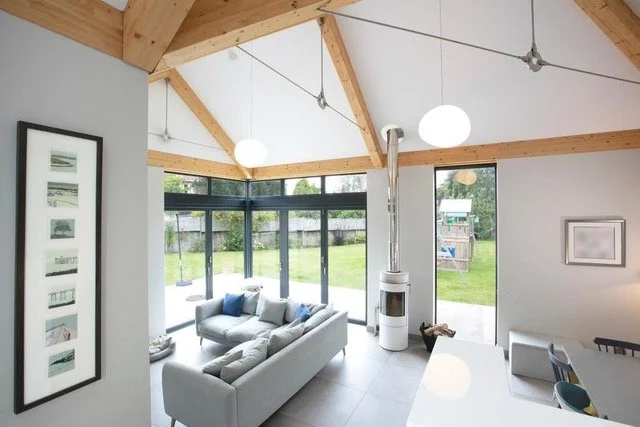
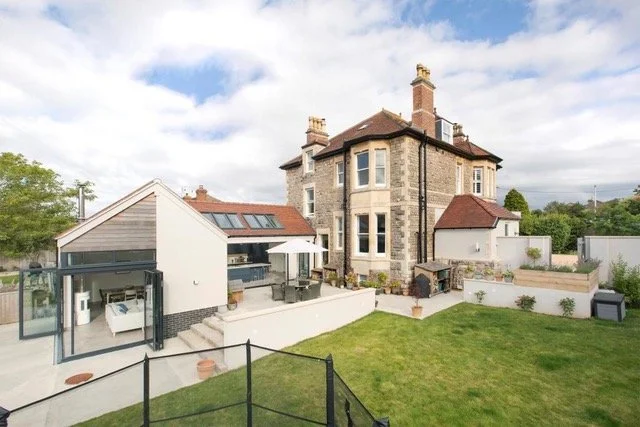
A well-designed extension can transform your home from the ground up – opening-up spaces, connecting interiors to the outside or giving a growing family the space it needs. Every project starts with a careful study of the existing building and the possibilities it holds. We pay particular attention to light, proportion and aesthetics and the relationship between new and old. Where possible, we also incorporate thermal upgrades – improving insulation, reducing heat loss and future-proofing your Bristol home so that the work you invest in today delivers long-term benefits. RPA has much experience in house extensions, having completed dozens of Bristol projects from Clifton, Redland, Sneyd Park and Westbury-on-Trym to Southville, Bishopston and beyond.
-
We offer a full refurbishment service for Bristol homeowners, from early feasibility, planning and Building Regulations through to completion on site. Sometimes a house needs rethinking rather than extending. The layout may not suit the way you live, a flat conversion might need upgrading, or years of accumulated alterations have left the building in need of a well-executed rethink. We also work on outbuilding conversions or redundant commercial space into a home – projects where an existing structure becomes something entirely new.
-
We help Bristol homeowners retrofit their homes for better energy performance, reducing running costs, cutting carbon emissions and improving comfort year-round. We take a whole-house approach, assessing how your existing home performs before recommending the right combination of measures. These can include internal and external wall insulation, roof and loft insulation, draught-proofing, mechanical ventilation with heat recovery (MVHR), heat pumps and photovoltaic panels with battery storage. Thermal upgrades can also be incorporated into refurbishment, extension or conversion works, making a whole-house improvement more cost-effective and impactful and ensuring that fabric performance is considered alongside design from the outset.
Commercial & Hospitality
-
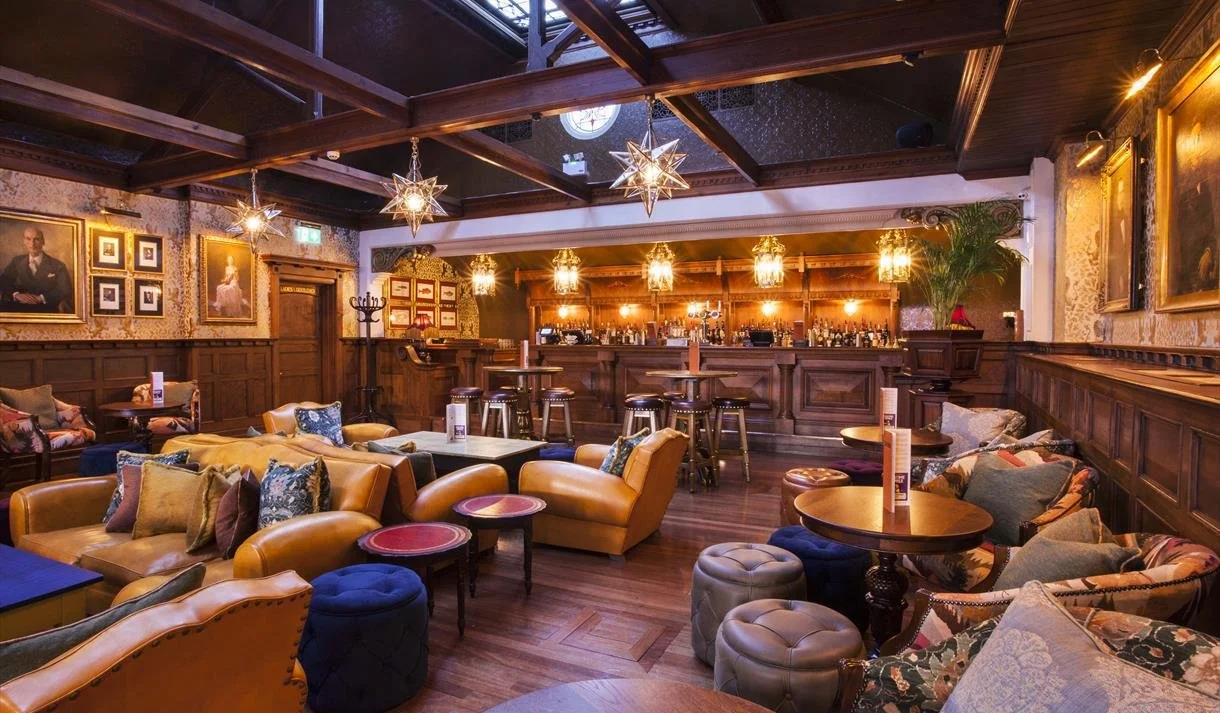
RPA designs and delivers hospitality spaces, with notable experience in restaurants, cafés and bars. The hospitality sector demands a particular kind of architectural intelligence – operationally efficient back of house and genuinely memorable spaces for customers. We have worked with operators at various scales, including many Loungers Group’s UK sites, the Waiting Room Café in Warmley and Clifton Observatory Café. Good hospitality design is about aesthetics, acoustics, flow, ventilation, natural light, material durability and the relationship between front and back of house. We enjoy the collaboration of working closely with operators, interior designers, fit-out contractors and services, fire and acoustic engineers to deliver spaces with a strong sense of identity and stand up well to daily use.
-
RPA works with landlords, developers and investors on the conversion of existing buildings into flats and Houses in Multiple Occupation (HMOs). Building Regulations play a significant role in these projects and are factored into the design from the outset. Getting the right advice early can make a significant difference to viability and outcome. We manage the full process, from initial feasibility and planning applications to Building Regulations approval and completion on site. HMO licensing requirements and amenity standards all vary across local authorities and we are experienced in navigating these differences to achieve the best possible result.
-
RPA advises on shopfront and signage applications, with experience in conservation areas and listed buildings. A well-considered shopfront can make a significant difference to a business – communicating identity and drawing people in. We work with businesses and operators to navigate the planning process for shopfront alterations and signage. Many commercial streets fall within conservation areas, where changes to shopfronts and signage may require Listed Building Consent and a sympathetic approach to the existing building.
Heritage
-
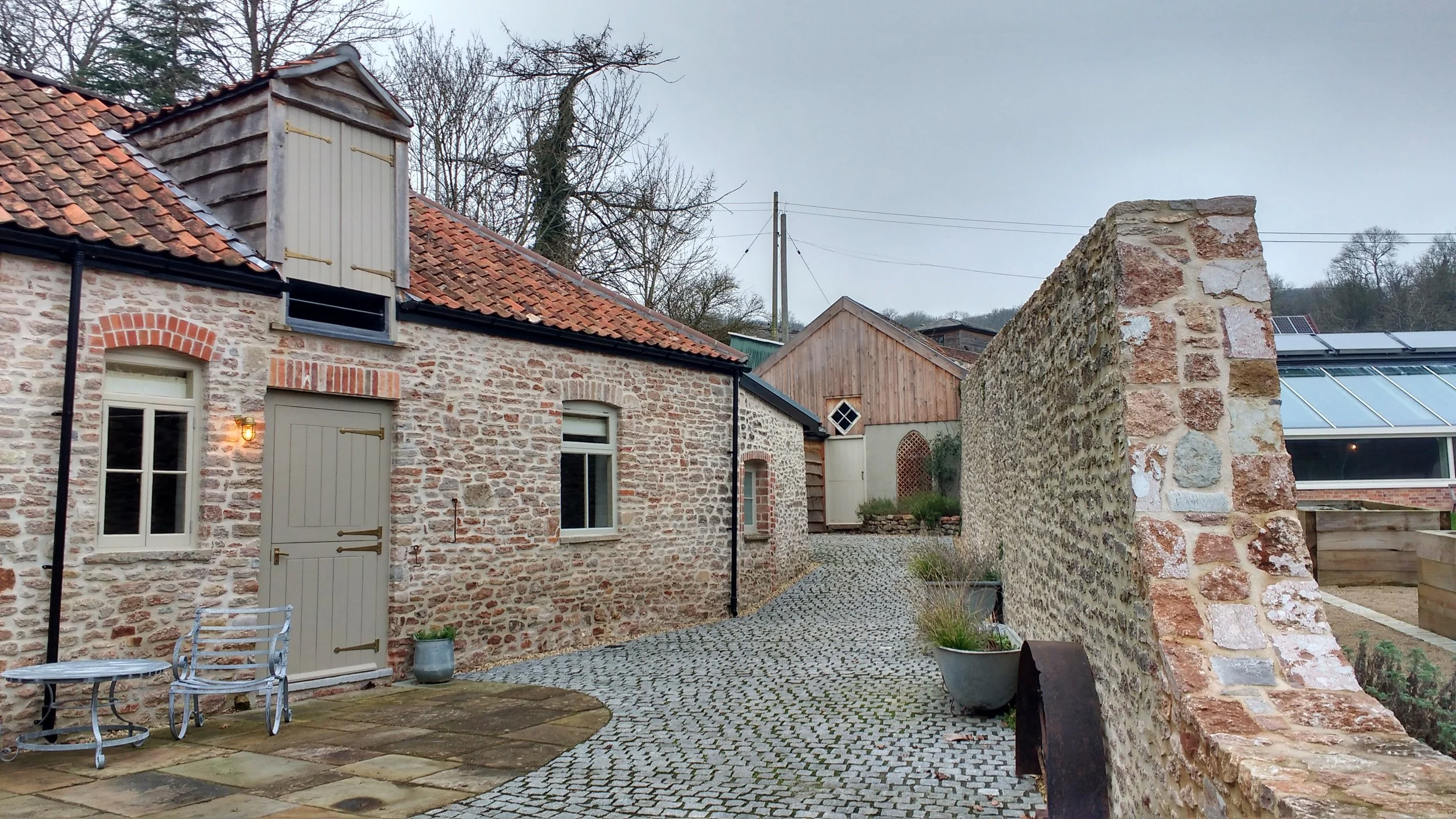
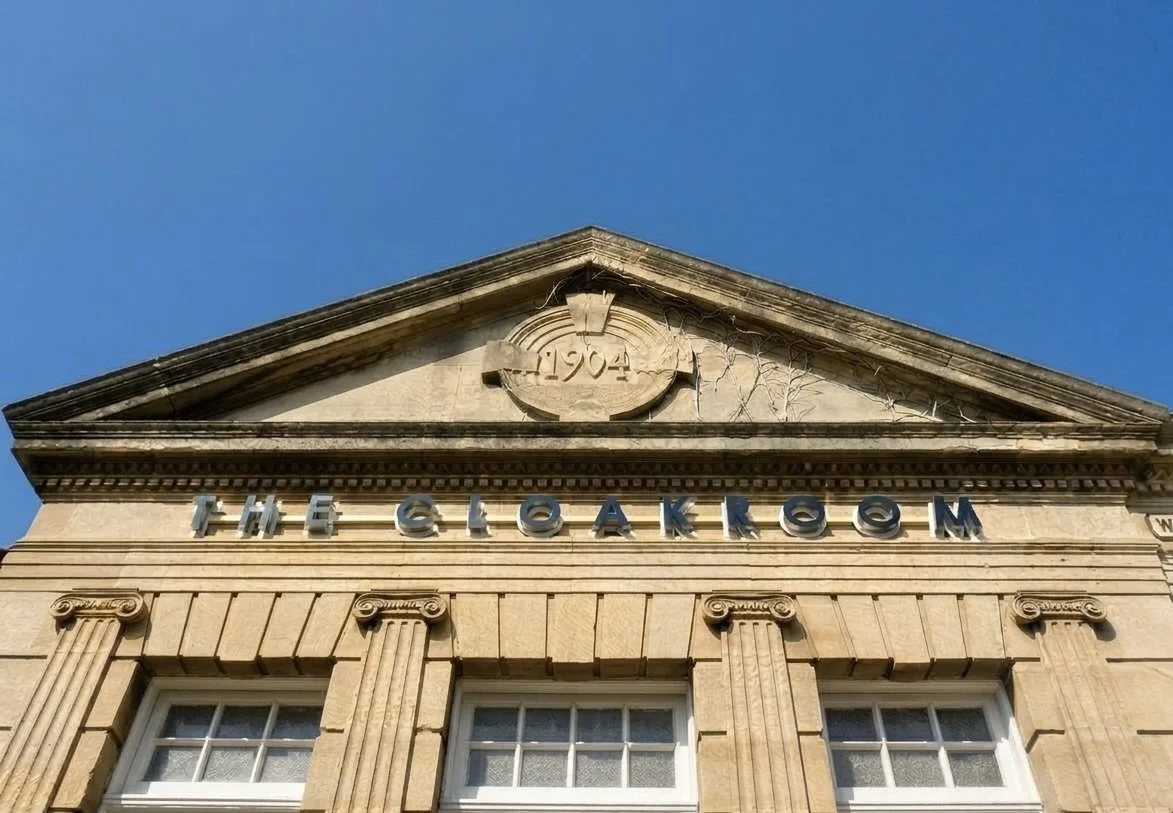
RPA is a specialist in listed buildings, working on Grade II, Grade II* and Grade I structures across Bristol and beyond. If you want to alter, extend or partly demolish a listed building, inside or out, you’ll usually need Listed Building Consent. This work calls for technical knowledge, sensitivity and good advocacy. Our projects range from major repair and renovation schemes to extensions, conversions and changes of use. We guide you from first conversations with the conservation officer to a well-reasoned application. We also help owners get retrospective consent for unauthorised past works, which often come up when a listed property is being sold.
-
Much of Bristol sits within conservation areas, from Clifton and Hotwells, Cotham and Redland to Kingsdown and Montpelier. Demolition, extensions, new windows, roof alterations and even some boundary walls and trees can need permission that wouldn’t be needed elsewhere. RPA knows these areas well. We design changes that fit the character of the street while still giving you the home or building you need. We prepare and submit the application and work with the local authority to give it the best chance of success, first time.
-
Most applications affecting a listed building or a conservation area need a Heritage Statement. This sets out the significance of the building or place and how the proposed works will affect it. A clear, well-researched statement can make a real difference to the outcome. RPA prepares Heritage Statements, Statements of Significance and Heritage Impact Assessments, drawing on historical research, a careful study of the building on site and a solid grasp of national and local planning policy. Where a project needs more specialist input, we can act as lead consultant and pull together the wider team.
Community | Education
-
RPA are experienced architects for nurseries and early years settings in and around Bristol, including experience in converting listed buildings for nursery use. Early years settings have a distinct set of design requirements: spaces that feel safe, stimulating and appropriately scaled for small children, while meeting the stringent regulatory standards set by Ofsted and Building Control. Nursery providers work under operational pressures and we design easy-to-maintain interiors, well-considered outdoor spaces and layouts that support different activity zones with this in mind. We also have experience of working within occupied or live educational settings in Bristol, managing construction phasing to minimise disruption to staff, children and families.
-
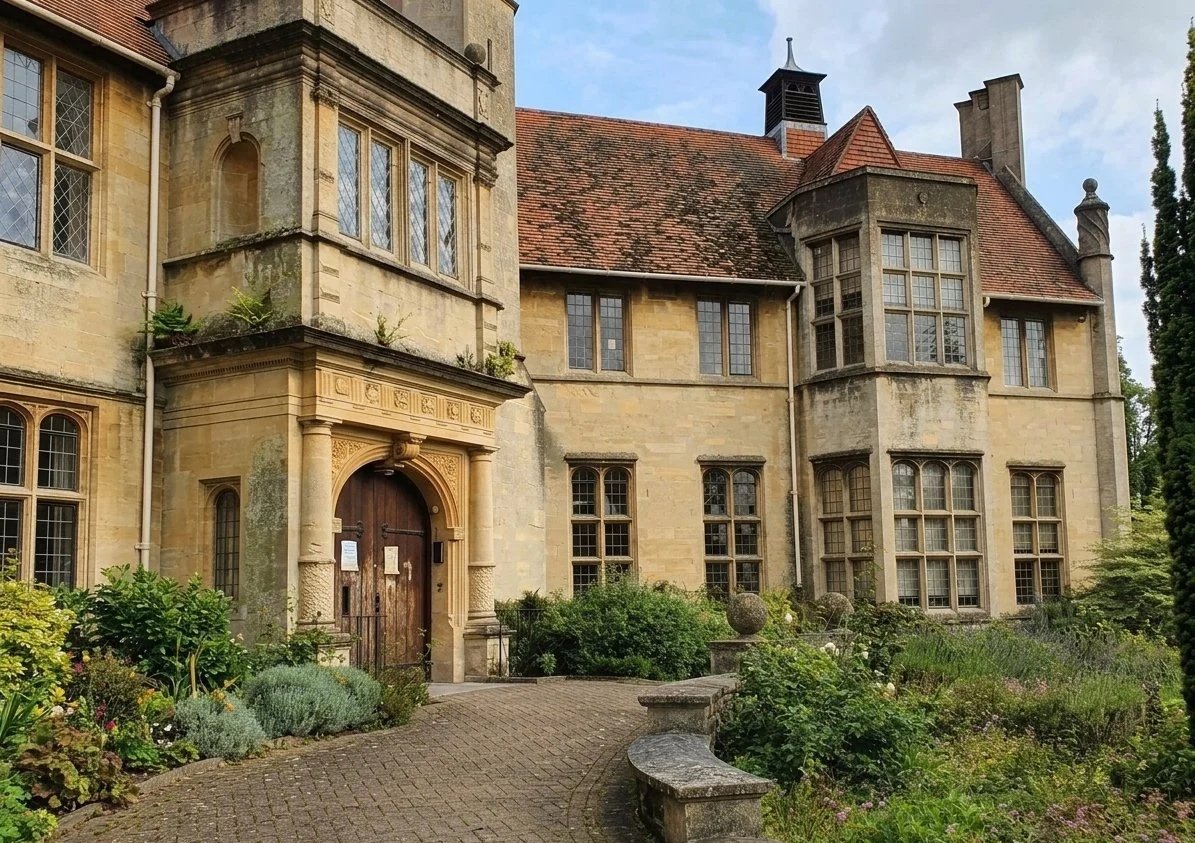
RPA has experience working with churches, mosques and other places of worship, buildings that call for both technical knowledge and sensitivity. Many are listed or sit within conservation areas. For Church of England churches, this means seeking faculty consent through the Diocese, which replaces Listed Building Consent, although planning permission may still be needed. It is a distinct regulatory route that demands specialist familiarity. We are experienced in preparing the supporting documentation, including Statements of Significance and Statements of Need, and in working with Diocesan Advisory Committees. For mosques and other faiths, we guide congregations and trustees through the usual planning and Listed Building Consent processes and design spaces that meet their particular needs for worship and community use. Our work ranges from re-ordering, structural repairs and maintenance to alterations, accessibility improvements and changes of use.